The day your braces come off is a milestone. After months or even years of tightening appointments, food restrictions, and careful brushing, you finally get to see the smile you worked so hard for. But here is something many patients are never told clearly enough: getting your braces removed is not the end of orthodontic treatment. It is the beginning of the maintenance phase, and what you do next decides whether your results last a lifetime or slowly fade.
If you are wondering how to maintain your results after braces, this guide covers everything you need to know, from retainer routines to daily habits, so your straight smile stays exactly where it belongs.
Why Teeth Move Back After Braces
Teeth are not fixed in the jawbone like posts in concrete. They sit in sockets held by ligaments and fibers that are constantly adapting to pressure from your tongue, lips, cheeks, and bite. Braces work by using that adaptability to guide teeth into new positions. When the braces are removed, the ligaments and surrounding bone need time to stabilize around the new alignment.
During that stabilization period, teeth have a natural tendency to drift back toward their original positions. This is called orthodontic relapse, and it is the single biggest reason people end up with crooked teeth again years after treatment. Growth, ageing, teeth grinding, and habits like tongue thrusting can all contribute. The good news is that relapse is largely preventable with the right aftercare.
Understanding What People Search For After Braces
Patients finishing treatment typically want answers to a handful of practical questions. How long do I need to wear my retainer? What happens if I skip it? Can I eat everything again? How do I keep my teeth white and healthy? Anyone offering post-braces guidance should answer these directly, and a dependable Braces Specialist in Pune will walk you through each one before your braces even come off, so nothing about the next phase comes as a surprise.
Wear Your Retainer Exactly as Instructed
Nothing protects your results more than a retainer. It is the tool that holds your teeth steady while the bone and ligaments settle into their new arrangement.
Types of Retainers
Removable retainers include clear plastic trays and traditional wire-and-acrylic versions. They can be taken out for eating and cleaning, which makes them convenient but also easy to forget.
Fixed retainers are thin wires bonded behind the front teeth, usually on the lower arch. They work around the clock without any effort on your part, though they need extra care when flossing.
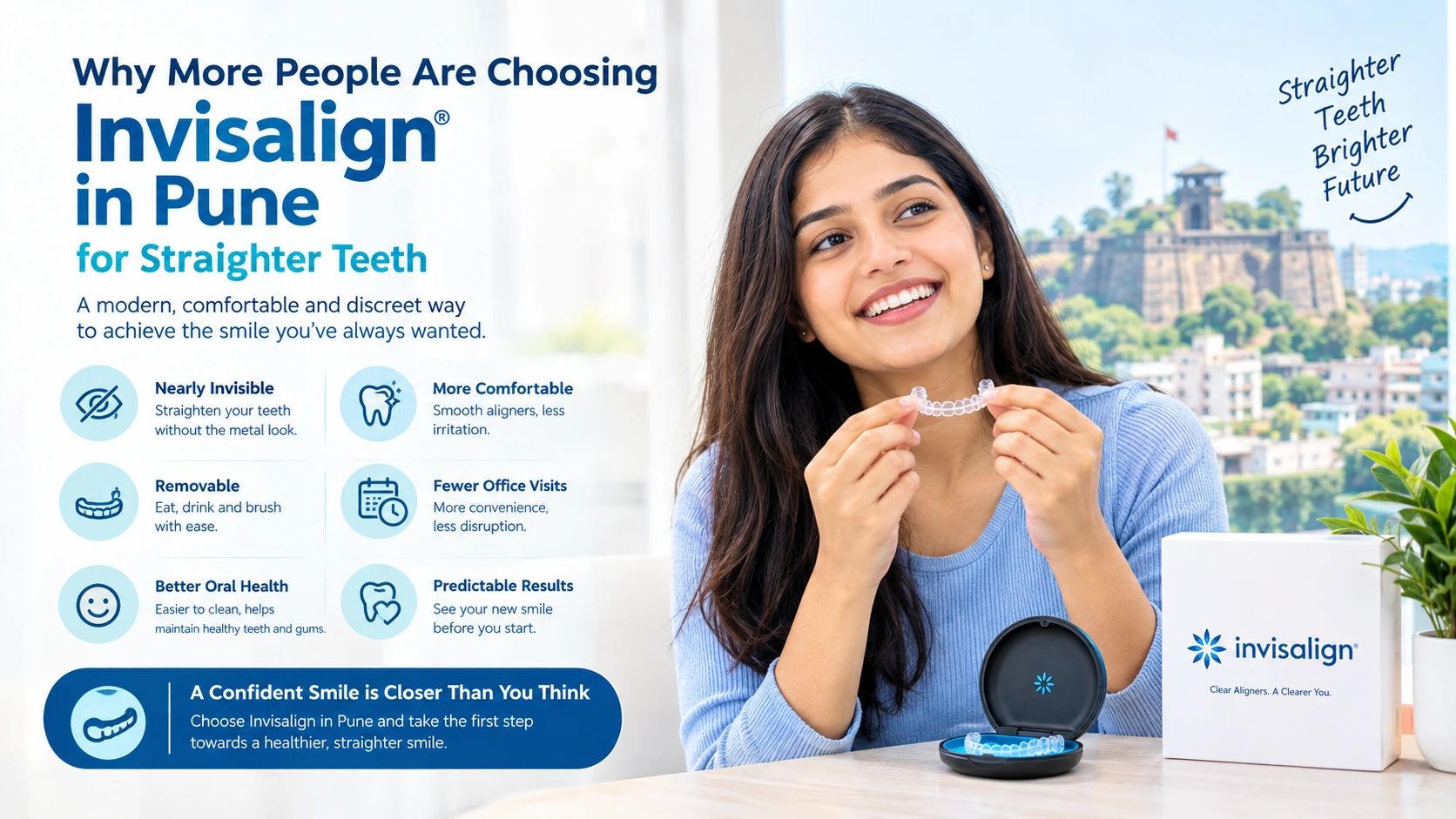
Your Orthodontist in Kalyani Nagar will recommend the right type based on your original alignment, bite, and lifestyle, and will often suggest a combination for cases that are more prone to relapse.
A Typical Wear Schedule
Most patients are asked to wear removable retainers full time, meaning around 20 to 22 hours a day, for the first three to six months. After that, the schedule usually shifts to nights only. Many orthodontists recommend continuing night-time wear indefinitely, because teeth can shift at any age. Think of it like brushing: a small nightly habit that protects a big investment.
Care for Your Retainer Properly
A retainer that is dirty, warped, or damaged cannot do its job. Clean removable retainers daily with a soft brush and lukewarm water, and use a gentle cleaning tablet once or twice a week. Never use hot water, boiling water, or a dishwasher, as heat distorts the plastic and ruins the fit.
Always store your retainer in its case when it is not in your mouth. A huge number of retainers end up wrapped in napkins on lunch trays and thrown away by accident. Keep the case somewhere consistent, like your bag or bedside table, and keep retainers away from pets, who find them irresistible.
Keep Up Excellent Oral Hygiene
Braces make cleaning harder, so many patients finish treatment with some plaque buildup or mild gum inflammation. Once the brackets are gone, this is the time to reset your routine.
Brush twice daily with fluoride toothpaste and a soft-bristled brush, and floss every day. If you have a fixed retainer, use floss threaders or a water flosser to clean underneath the wire. Regular professional cleaning with a trusted Dentist in Kalyani nagar helps remove hardened tartar that home brushing cannot, and it keeps the gums firm and healthy around your newly aligned teeth.
If you notice white spots on your teeth where the brackets used to sit, mention them at your next visit. These are early enamel changes that can often be improved with fluoride treatments or minimally invasive cosmetic care.
Protect Your Teeth From Damaging Habits
Even the best retainer routine can be undermined by everyday habits that push on your teeth.
- Nail biting and pen chewing apply uneven pressure that can nudge teeth out of position.
- Tongue thrusting pushes against the front teeth repeatedly and is a common cause of relapse.
- Teeth grinding at night wears down enamel and stresses the alignment. A custom night guard can protect both your teeth and your retainer.
- Using teeth as tools to open packets or bottles risks chips and cracks.
- Thumb sucking or lip biting, especially in teenagers, should be discussed with your orthodontist.
If you notice any of these habits in yourself or your child, addressing them early makes a real difference in how well the results hold.
Eat Well, and Smartly
The end of braces means the end of most food restrictions, and that first bite of corn on the cob or a crisp apple feels wonderful. Enjoy it, but stay sensible. Very hard foods like ice, hard candy, and unshelled nuts can crack teeth or damage a fixed retainer. Sticky foods can pull at wire retainers.
Sugary drinks and frequent snacking remain the main drivers of cavities, so keep sweet treats occasional and drink water afterward. Your straight teeth are easier to clean than they used to be, but they are just as vulnerable to decay.
Schedule Regular Check-Ups
Post-treatment follow-up visits are not optional extras. In the first year, your orthodontist will check that your teeth are holding position, that the retainer still fits well, and that your bite is stable. After that, six-monthly dental check-ups remain important for spotting cavities, gum issues, and early signs of movement.
Attending these visits with an experienced Dentist in Kalyani Nagar Pune also means any small problem, like a loose fixed retainer wire, gets fixed in minutes instead of turning into a bigger issue.
What to Do If Your Retainer Breaks or Stops Fitting
Accidents happen. Retainers get sat on, chewed by dogs, or left in the sun. If yours cracks or no longer fits comfortably, do not force it onto your teeth, since that can cause pain or push teeth in the wrong direction. Book an appointment promptly at a reliable Dental Clinic in Kalyani Nagar so a replacement can be made before significant movement occurs. If a fixed retainer wire comes loose, call your clinic the same day, as an unattached wire can let teeth shift quickly.
If you ever relocate for work or studies, a qualified Dentist in Pune or in your new city can hold your treatment records and help you with repairs while you are away, so keep a copy of your retainer details and final treatment photographs.
Choosing the Right Expert for Long-Term Results
The quality of your aftercare depends heavily on the professional guiding it. Look for someone who explains retainer protocols in plain language, provides written instructions, offers reasonable follow-up visits, and is easy to contact when something goes wrong.
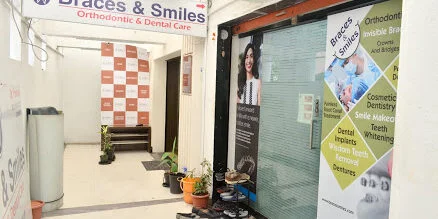
For patients seeking dependable guidance, Dr. Prashant Gupta at Braces and Smiles MultiSpeciality Dental Clinic takes a thorough, patient-first approach to retention planning. Rather than treating the removal of braces as a finish line, the team builds a personalized maintenance plan for each patient and monitors progress carefully in the months that follow. Patients regularly mention how clearly instructions are explained and how approachable the clinic is for quick fixes and questions. Many families searching for the Best Orthodontist in Pune value exactly this kind of continuity, where the same team that straightened the teeth also protects the results.
Frequently Asked Questions
Q1. How long do I need to wear my retainer after braces?
Most patients wear it full time for the first three to six months, then switch to nights only. Many orthodontists recommend night-time wear long term, since teeth can shift throughout life.
Q2. What happens if I stop wearing my retainer?
Teeth can gradually move back toward their old positions. Shifting can begin within weeks, and it may not be noticeable until it has progressed significantly, which is why consistency matters.
Q3. Can I get braces off and skip the retainer if my teeth feel stable?
No. Teeth feeling stable does not mean the supporting bone and ligaments have fully settled. Skipping the retainer is the most common cause of relapse.
Q4. Is a fixed retainer better than a removable one?
Neither is universally better. Fixed retainers need no effort but require careful cleaning, while removable ones are easier to clean but rely on you to wear them. Your orthodontist will recommend what suits your case.
Q5. Can teeth whitening be done after braces?
Yes, and it is often a great finishing step. Ask your dentist first, especially if you have white spots or sensitivity, so the treatment can be planned safely.
Protect the Smile You Worked So Hard For
Your smile took time, effort, and commitment to achieve. A few simple habits, wearing your retainer, cleaning carefully, avoiding damaging habits, and attending regular check-ups, are all it takes to keep it that way.
If you have recently finished treatment or you are unsure whether your retainer routine is working, book a consultation with Dr. Prashant Gupta at Braces and Smiles MultiSpeciality Dental Clinic today. A quick review now can save you from repeat treatment later, and keep your smile looking just as good as the day your braces came off.