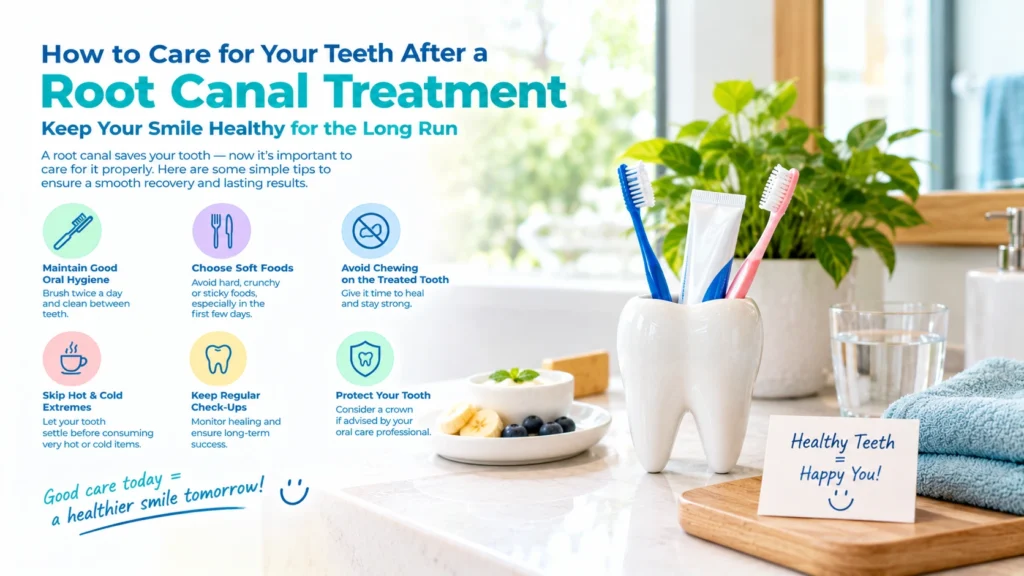
Finishing a root canal is a big relief. The infection is cleared, the pain that brought you to the dentist is gone, and your natural tooth has been saved. But the story does not end when you leave the chair. How you treat the tooth in the following days, weeks, and years has a direct effect on whether it stays healthy for a lifetime.
This guide explains what to expect during recovery, what to eat and avoid, which warning signs to watch for, and how to protect your treated tooth for the long term.
What Happens During and After a Root Canal?
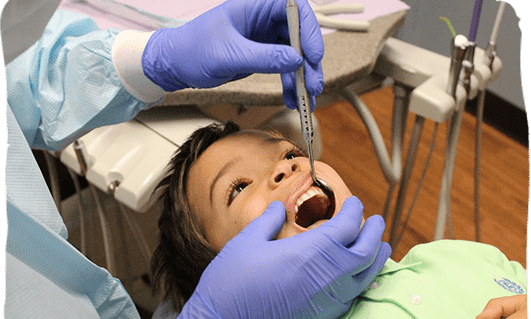
A root canal removes infected or inflamed pulp from inside a tooth. The dentist cleans the inner canals, disinfects them, fills them with a biocompatible material, and seals the tooth. In most cases the tooth is then protected with a crown, because a treated tooth can become brittle over time.
Many patients worry that the procedure will be painful. With modern anaesthesia and technique, that is rarely the case. People looking for Painless Root Canal Treatment in Kalyani Nagar often find that the procedure feels similar to getting a routine filling, and the recovery that follows is mild and manageable.
The First 24 to 48 Hours: What to Expect
Once the numbness wears off, it is normal to feel some tenderness, especially when biting down. The gum around the tooth may also feel slightly swollen. This happens because the tissues around the root have been irritated by the infection and the cleaning process, and they need a few days to settle.
Typical experiences in the first two days include:
- Mild to moderate tenderness when chewing
- Slight swelling or soreness in the gum
- A sensation that the bite feels “high” or different
- Temporary sensitivity to temperature
These symptoms usually improve steadily. If they get worse instead of better, contact your dentist.
Step-by-Step Aftercare Tips
1. Wait for the Numbness to Fade Before Eating
Local anaesthesia can last a few hours. Eating too early risks biting your cheek, tongue, or lip without noticing. Wait until normal sensation returns, then start with soft foods.
2. Take Prescribed Medication Properly
Your dentist may prescribe pain relievers or antibiotics. Take them exactly as directed and complete the full course if antibiotics are given. Do not skip doses just because you feel better, and avoid self-medicating with extra painkillers.
3. Chew on the Opposite Side
Until the permanent filling or crown is placed, the tooth is more vulnerable. Chewing on the other side reduces pressure on the treated tooth and prevents the temporary filling from cracking or dislodging.
4. Choose Soft, Gentle Foods
For the first few days, stick to foods that need little chewing, such as:
- Dal, khichdi, and soft rice
- Curd, smoothies, and milkshakes
- Mashed potatoes and soft vegetables
- Scrambled eggs and soups served lukewarm
Avoid very hot, very cold, hard, crunchy, or sticky foods like nuts, popcorn, chewing gum, toffee, and ice.
5. Keep Brushing and Flossing
A common mistake is avoiding the area out of fear. In fact, keeping the mouth clean is essential. Brush twice a day with a soft-bristled brush and floss gently around the treated tooth. Good hygiene prevents bacteria from re-entering the tooth and causing reinfection.
6. Rinse With Warm Salt Water
A gentle rinse with warm salt water a few times a day can soothe irritated gums and support healing. Do not swish aggressively, as this may disturb the area.
7. Avoid Smoking and Alcohol
Tobacco and alcohol slow healing and increase the risk of infection. If you can, avoid them for at least a few days after treatment.
Why the Final Crown Matters
A root-filled tooth has lost its blood supply and a good portion of its internal structure, so it is more likely to crack under chewing forces. A crown acts like a protective helmet, restoring strength and sealing the tooth against bacteria.
Do not delay your crown appointment. A temporary filling is not meant to last for months, and leaving the tooth unprotected is one of the most common reasons treated teeth fail. When you plan your follow-up, choosing a nearby Dental Clinic in Kalyani Nagar makes it much easier to attend every visit on schedule, which matters because root canal care often involves more than one appointment.
Warning Signs You Should Not Ignore
Some discomfort is normal, but contact your dentist promptly if you notice:
- Severe pain that is getting worse after 3 to 4 days
- Swelling of the face, jaw, or gums that increases
- Fever or a bad taste in the mouth
- A loose, cracked, or missing temporary filling
- Pain when biting that does not improve
- An allergic reaction to medication, such as rash or itching
Quick action prevents small issues from turning into reinfection. If something feels wrong, it is always better to call than to wait.
Long-Term Care for Your Treated Tooth
With good care, a root-canal-treated tooth can last for decades, often a lifetime. Here is how to protect it:
- Maintain excellent oral hygiene. Brush twice daily, floss once daily, and use an antibacterial mouthwash if recommended.
- Visit your dentist every six months. Regular check-ups and X-rays confirm that the tooth and surrounding bone are healthy.
- Avoid using teeth as tools. Never open bottles, tear packets, or bite hard objects.
- Wear a night guard if you grind your teeth. Grinding can crack a treated tooth over time.
- Limit sugar and acidic drinks. Decay around the crown edge can still occur.
Common Myths About Root Canal Recovery
Myth: A root canal tooth is dead and useless. The tooth is no longer sensitive inside, but it is still firmly anchored by the bone and gum and works like any natural tooth.
Myth: Recovery takes weeks. Most people return to normal activities the next day, and discomfort fades within a few days.
Myth: Extraction is easier than a root canal. Pulling a tooth leads to gaps, bone loss, and shifting teeth, and replacing it costs more in the long run. Saving the natural tooth is usually the better option.
Choosing the Right Dentist for Your Treatment
The success of a root canal depends heavily on the dentist’s skill and the technology used. Magnification, digital X-rays, and careful cleaning of every canal all reduce the risk of reinfection. Residents of the eastern side of the city often prefer a Dentist in Kalyani Nagar Pune because follow-up care is easier when the clinic is close to home or work.
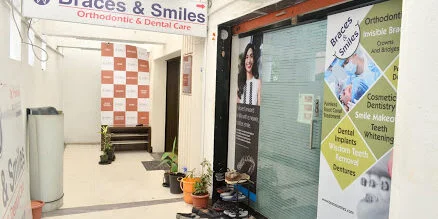
At Braces and Smiles MultiSpeciality Dental Clinic, Dr. Prashant Gupta focuses on comfortable, precise treatment and clear aftercare guidance. Patients receive written instructions, a practical recovery plan, and support if any questions arise after the procedure. Everything from the root canal itself to the final crown can be handled under one roof, which saves time and keeps your treatment well coordinated.
If you are searching for Root Canal Treatment in Kalyani Nagar, look for a clinic that explains every step, offers transparent pricing, and gives you a clear plan for what happens next.
Planning Your Treatment Locally
Many patients assume that effective endodontic care is only available far from home. In reality, there are excellent options close by. Whether you need a first-time procedure or a retreatment, Root Canal Treatment in Pune is available with advanced equipment and experienced specialists. When comparing options, a modern Dental Clinic in Pune that offers diagnostics, root canals, crowns, and preventive care together can make the whole journey simpler.
Frequently Asked Questions
Q1. How long does it take to recover after a root canal?
Most people feel better within 2 to 3 days. Mild tenderness can last up to a week, but it should steadily improve.
Q2. When can I eat normally after a root canal?
You can usually eat soft foods once the numbness fades. Return to a normal diet gradually, and avoid chewing hard foods on the treated tooth until the crown is placed.
Q3. Is it normal to have pain after a root canal?
Mild discomfort or tenderness is normal for a few days. Severe or worsening pain, swelling, or fever should be checked by a dentist.
Q4. Do I always need a crown after a root canal?
Most back teeth need a crown for protection. Front teeth with minimal damage may sometimes be restored with a filling, but your dentist will advise you based on your case.
Q5. Can a root canal tooth get infected again?
Yes, if the tooth is not sealed properly or if hygiene is poor. Timely crown placement and regular check-ups greatly reduce this risk.
Q6. Can I brush the treated tooth normally?
Yes. Brush gently with a soft brush and floss carefully. Keeping the area clean is one of the best ways to protect your results.
Take the Next Step Toward Pain-Free Healing
Proper aftercare turns a successful root canal into a long-term success. If you are dealing with tooth pain, have recently undergone treatment and have questions, or simply want an expert opinion, do not wait for the problem to get worse.
Book a consultation with Dr. Prashant Gupta at Braces and Smiles MultiSpeciality Dental Clinic for gentle treatment, honest advice, and complete aftercare support.
Call or visit today to schedule your appointment and save your natural tooth with confidence.