Most people brush twice a day, floss when they remember, and assume that is enough. Yet many still end up with cavities, bleeding gums, or persistent bad breath. The reason is simple: even the most careful home routine cannot remove everything. Plaque hardens into tartar within days, and tartar cannot be brushed away.
This is where professional dental cleaning comes in. It is one of the simplest, most affordable, and most effective ways to prevent serious dental problems before they start. This guide explains what happens during a cleaning, which problems it helps prevent, how often you need one, and how to get the most from the visit.
What Is Professional Dental Cleaning?
Professional dental cleaning, also called scaling and polishing or prophylaxis, is a preventive treatment carried out by a dentist or dental hygienist. It removes plaque, tartar, and surface stains from places your toothbrush and floss cannot reach, including below the gumline and between tightly spaced teeth.
It is different from a casual “clean-up” at home. Specialised ultrasonic instruments and hand tools remove hardened deposits safely, followed by polishing that smooths the tooth surface and makes it harder for bacteria to stick.
Why Plaque and Tartar Cause Problems
Plaque is a sticky film of bacteria that forms on teeth constantly. When it is not removed, minerals in saliva turn it into tartar, a hard, yellow-brown deposit that bonds to enamel.
Tartar causes trouble in several ways:
- It gives bacteria a rough surface to cling to
- It irritates the gums, causing redness and bleeding
- It releases acids that weaken enamel
- It traps stains from tea, coffee, and tobacco
- It creates pockets where infection can develop
Because tartar cannot be removed by brushing, only a professional cleaning can eliminate it.
Common Dental Problems Professional Cleaning Helps Prevent
1. Gum Disease
Gum disease begins as gingivitis, with swollen, red, bleeding gums. If untreated, it can progress to periodontitis, which damages the bone supporting your teeth and can eventually cause tooth loss. Regular scaling removes the bacterial buildup that triggers inflammation, stopping the disease at its earliest and most reversible stage.
2. Tooth Decay and Cavities
Bacteria in plaque produce acids that dissolve enamel. By removing plaque and tartar, cleanings reduce the acid attacks on your teeth. Polishing and, when advised, fluoride application strengthen enamel further.
3. Bad Breath
Persistent bad breath often comes from bacteria trapped in tartar and below the gums. Professional cleaning removes the source rather than masking it with mints or mouthwash.
4. Tooth Stains and Discolouration
Surface stains from food, drinks, and smoking are removed during polishing, instantly brightening your smile. Cleaning is also the ideal first step before any whitening treatment, since stains and tartar can interfere with even results.
5. Early Detection of Hidden Problems
A professional cleaning visit usually includes an examination. Your dentist can spot early cavities, worn fillings, cracked teeth, gum recession, and even signs of oral cancer. Catching problems early almost always means simpler, cheaper treatment.
How Does Professional Cleaning Link to Overall Health?
Oral health is closely connected to general health. Chronic gum inflammation has been associated with heart disease, diabetes complications, and other systemic conditions. Keeping your gums healthy supports your wider wellbeing, which makes regular cleanings about more than just a nicer smile.
What Happens During a Professional Dental Cleaning?
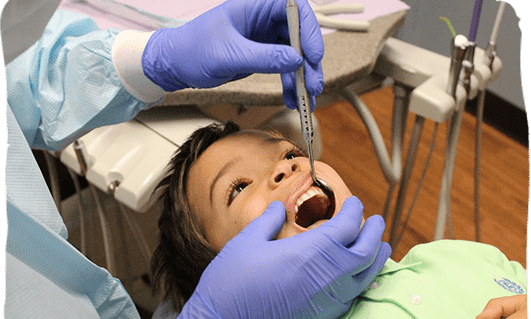
- Examination. The dentist checks your teeth and gums and may take X-rays if needed.
- Scaling. Tartar and plaque are removed using ultrasonic and hand instruments.
- Polishing. A gentle polishing paste removes surface stains and smooths the enamel.
- Flossing and rinsing. Areas between teeth are cleaned thoroughly.
- Fluoride or preventive care. Fluoride may be applied to strengthen enamel.
- Personalised advice. You receive tips on brushing, flossing, and diet.
The process is usually comfortable and takes about 30 to 60 minutes. Some people feel mild sensitivity afterward, which settles within a day or two.
How Often Should You Get a Professional Cleaning?
Most people benefit from a cleaning every six months. However, the ideal interval depends on your risk factors. You may need more frequent visits if you:
- Have gum disease or a history of it
- Smoke or chew tobacco
- Have diabetes
- Wear braces or aligners
- Build tartar quickly
- Are prone to cavities
Your dentist can recommend a schedule based on your oral health.
Does Cleaning Damage Teeth or Cause Gaps?
This is one of the most common myths. Scaling does not damage enamel when performed correctly. Teeth may feel slightly loose or gaps may seem more noticeable only because heavy tartar that was filling those spaces has been removed. In reality, it reveals the true condition of your gums and teeth and allows healing to begin.
Cleaning and Smile Enhancement
Many patients who come for a routine cleaning leave wondering about brighter teeth. Cleaning removes surface stains, but deeper discolouration needs a dedicated treatment. People exploring Teeth Whitening in Pune are usually advised to start with a professional cleaning, since whitening works best on teeth that are free of tartar and plaque.
Keeping your results fresh also depends on regular check-ups, a good home routine, and limiting staining foods and drinks.
Who Benefits Most From Regular Cleanings?
Everyone benefits, but some groups gain even more. Children and teenagers build healthy habits early and avoid cavities during years of frequent snacking. Adults with busy lives often neglect flossing, so cleanings act as a safety net. Older adults are more prone to gum recession and dry mouth, which raise the risk of decay. Pregnant women, people with diabetes, and anyone wearing braces or aligners also face higher plaque risks and should keep a closer schedule.
Tips to Maintain Your Results at Home
- Brush twice daily with a soft-bristled brush and fluoride toothpaste
- Floss or use interdental brushes every day
- Clean your tongue to reduce bacteria
- Limit sugary snacks and acidic drinks
- Drink plenty of water, especially after meals
- Avoid tobacco in all forms
- Replace your toothbrush every three months
Choosing the Right Clinic for Preventive Care
Preventive care works best when it is easy to maintain. Because cleanings are recommended every few months, convenience matters. Patients looking for the Best Dental Clinic in Kalyani Nagar should check for modern sterilisation practices, gentle ultrasonic equipment, clear explanations, and a calm environment.
Residents of the area often prefer a Dentist in Kalyani Nagar Pune so that regular check-ups are simple to schedule around work and family life. For quick follow-ups, emergency visits, or pain between appointments, having a reliable Dentist in Kalyani nagar close to home can make a real difference in how consistently you look after your teeth.
Preventive Care at Braces and Smiles MultiSpeciality Dental Clinic
At Braces and Smiles MultiSpeciality Dental Clinic, professional cleaning is treated as more than a routine procedure. Dr. Prashant Gupta and the team begin with a thorough examination, explain what they find in plain language, and tailor the cleaning to your gum health and sensitivity.
The clinic’s approach is gentle and patient-first. You receive practical advice on brushing technique and diet, and any early problems are flagged before they become painful or expensive. Because orthodontic, cosmetic, restorative, and general dental services are available together, you can address related concerns without visiting multiple clinics.
Frequently Asked Questions
Q1. Is professional dental cleaning painful?
Most people find it comfortable. Mild sensitivity can occur, especially with gum inflammation, but numbing gel or other comfort measures can be used when needed.
Q2. How is professional cleaning different from brushing at home?
Brushing removes plaque but not hardened tartar. Professional tools reach below the gumline and remove deposits that home care cannot.
Q3. Can cleaning reverse gum disease?
Early gum disease (gingivitis) can usually be reversed with professional cleaning and good home care. Advanced disease requires deeper treatment.
Q4. Will cleaning whiten my teeth?
It removes surface stains, so teeth often look brighter. For a noticeably whiter shade, a separate whitening treatment is needed.
Q5. Is dental cleaning safe during pregnancy?
Yes, cleaning is generally safe and often recommended, since hormonal changes can increase gum problems. Always inform your dentist if you are pregnant.
Q6. How long does a cleaning appointment take?
Typically 30 to 60 minutes, depending on the amount of tartar and the need for examination or X-rays.
Protect Your Smile With a Professional Cleaning Today
Prevention is always easier, cheaper, and more comfortable than treatment. A regular professional cleaning keeps your gums healthy, your breath fresh, and your teeth strong, while giving your dentist the chance to spot issues early.
Book your visit with Dr. Prashant Gupta at Braces and Smiles MultiSpeciality Dental Clinic for a gentle cleaning, honest advice, and a personalised preventive plan.
Call or visit today to schedule your appointment and take the first step toward a healthier, brighter smile.