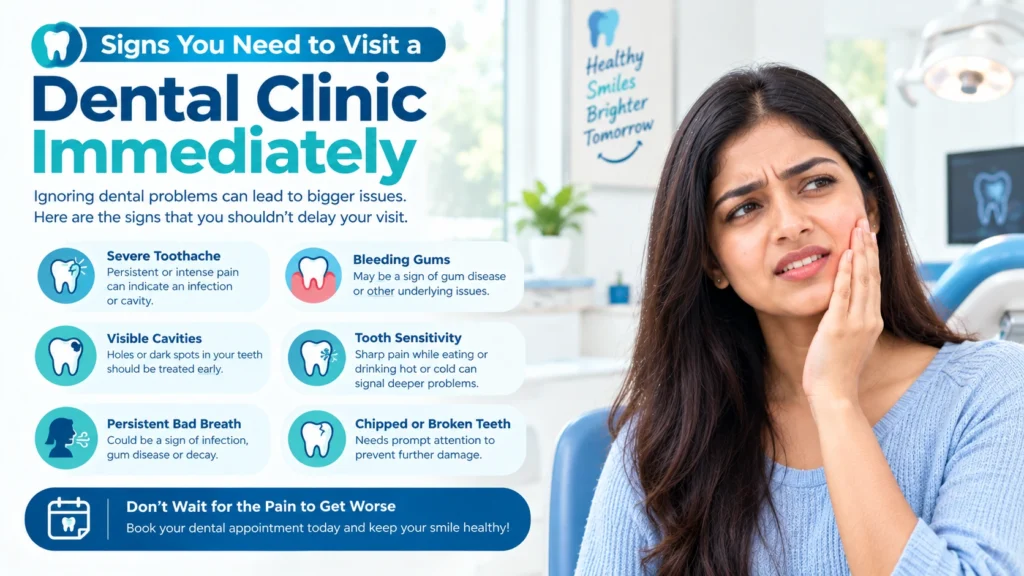
Most of us have been guilty of it at some point — feeling a twinge in a tooth, noticing a little blood when brushing, and telling ourselves it will sort itself out. Sometimes it does. Often, it doesn’t. Dental problems rarely improve on their own, and what starts as a minor irritation can quietly develop into an infection, an abscess, or tooth loss. The tricky part is knowing which symptoms can wait for a routine check-up and which ones need attention right now.
This guide breaks down the warning signs your mouth gives you, why they matter, and what you should do next.
Why Early Dental Intervention Matters
Your mouth is closely connected to your overall health. Untreated gum disease has been linked to heart problems, poorly controlled blood sugar, and complications during pregnancy. An infected tooth can spread bacteria into surrounding tissue and, in rare cases, into the bloodstream. Beyond the health risks, early treatment is almost always simpler, faster, and far less expensive than treating an advanced problem.
A small cavity treated today might need a fifteen-minute filling. Left alone for a year, the same tooth might need a root canal and a crown. The cost of waiting is rarely just discomfort.
Warning Sign 1: Persistent or Severe Toothache
Occasional sensitivity after cold water is one thing. A toothache that lingers for more than a day or two, wakes you at night, or throbs steadily is something else entirely. Persistent pain usually means the decay or damage has reached the inner pulp of the tooth, where the nerves live.
Painkillers may dull the sensation temporarily, but they do nothing to address the cause. If the pain suddenly disappears without treatment, that’s not necessarily good news — it can mean the nerve has died, while the infection continues to spread silently beneath the surface.
Warning Sign 2: Bleeding, Swollen or Receding Gums
Healthy gums do not bleed during regular brushing or flossing. If you’re regularly seeing pink in the sink, it’s typically the earliest sign of gingivitis — inflammation caused by plaque buildup along the gumline.
Caught at this stage, it’s highly reversible with a professional cleaning and better home care. Ignored, it progresses to periodontitis, where the supporting bone around your teeth begins to break down. That damage is permanent. Gums that look puffy, appear darker red than usual, or seem to be pulling away from your teeth all warrant a prompt evaluation from a qualified Dentist in Kalyani nagar rather than a wait-and-see approach.
Warning Sign 3: Facial or Jaw Swelling
Swelling in the cheek, jaw, or under the chin is one of the more urgent signs on this list. It usually indicates an abscess — a pocket of pus caused by bacterial infection at the root of a tooth or in the gum tissue.
Seek care the same day if swelling is accompanied by fever, difficulty swallowing, or trouble opening your mouth. Infections in this area can spread quickly to the neck and airway, and this is genuinely a situation where hours matter.
Warning Sign 4: A Loose Adult Tooth
Loose teeth are exciting at age seven and alarming at thirty-seven. In adults, mobility in a tooth points to either advanced gum disease, significant bone loss, injury, or persistent grinding pressure.
The sooner this is assessed, the better the chance of saving the tooth. Splinting, deep cleaning, or bite adjustment can all stabilize a tooth that’s caught early — but once too much supporting bone is lost, extraction becomes the only option.
Warning Sign 5: Mouth Sores That Won’t Heal
Occasional ulcers from a cheek bite or stress usually resolve within ten to fourteen days. A sore, patch, or lump that persists beyond two weeks needs professional examination.
Pay particular attention to white or red patches, rough thickened areas, or sores that bleed easily. While most turn out to be harmless, these can occasionally be early indicators of oral cancer, and early detection dramatically changes outcomes. A thorough oral screening at a well-equipped Dental Clinic in Kalyani Nagar takes only a few minutes and offers real peace of mind.
Warning Sign 6: Persistent Bad Breath or a Bad Taste
Bad breath after garlic is expected. Chronic bad breath that survives brushing, flossing, and mouthwash is different. It often signals bacterial buildup under the gumline, an untreated cavity, a failing old filling, or an infection draining into the mouth.
A persistent metallic or foul taste, particularly if localized to one area, frequently points to a specific problem tooth that needs attention.
Warning Sign 7: Cracked, Chipped or Broken Teeth
Even a small chip that causes no pain deserves evaluation. Cracks create pathways for bacteria to reach the inner tooth, and what feels like cosmetic damage today can become a serious infection in a few months.
If a tooth has been knocked out entirely, act fast. Handle it by the crown rather than the root, rinse it gently without scrubbing, and keep it in milk or your own saliva while getting to a clinic. Teeth reimplanted within the first hour have a considerably better survival rate.
Warning Sign 8: Jaw Pain, Clicking or Frequent Headaches
Pain when chewing, clicking sounds when opening your mouth, or waking with a sore jaw and tension headaches often indicate a bite problem or teeth grinding, sometimes referred to as bruxism.
Many people grind their teeth in their sleep without realizing it, wearing down enamel year after year. A simple night guard, custom-made after assessment by an experienced Dentist in Kalyani Nagar Pune, can prevent thousands of rupees worth of damage down the line.
Warning Sign 9: Ongoing Sensitivity to Hot and Cold
Brief sensitivity is common. Sensitivity that lingers for thirty seconds or more after the stimulus is removed suggests nerve involvement — typically from deep decay, a crack, or significant enamel erosion. If you’ve switched to sensitivity toothpaste and seen no improvement after two or three weeks, it’s time for a proper diagnosis.
Warning Sign 10: Changes in Your Bite or Denture Fit
If your teeth suddenly meet differently when you close your mouth, or your dentures or bridge no longer fit the way they used to, something structural has shifted. This can result from bone loss, tooth movement, or a failing restoration, and it’s worth investigating before it affects your ability to chew comfortably.
Expert Care You Can Rely On
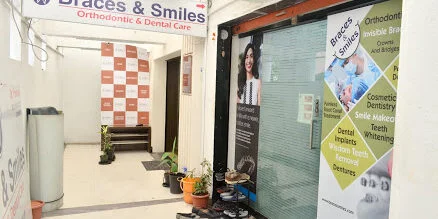
When symptoms do appear, seeing someone experienced makes all the difference between a quick fix and a prolonged problem. Dr. Prashant Gupta at Braces and Smiles MultiSpeciality Dental Clinic is known for careful diagnosis and a calm, unhurried approach that puts anxious patients at ease.
Rather than jumping straight to treatment, the focus is on understanding what caused the problem in the first place — because addressing the root cause is what prevents the same issue returning six months later. The clinic combines modern diagnostic equipment with strict sterilization protocols, and patients frequently mention how clearly each option is explained before anything begins.
What Happens at an Urgent Appointment
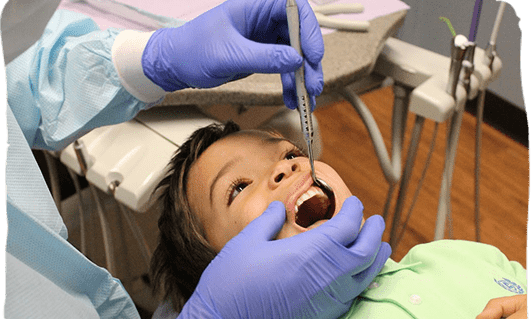
A typical visit starts with a discussion of your symptoms and medical history, followed by a clinical examination and digital X-rays where needed. Your dentist identifies the cause, explains the findings in plain language, and outlines your options along with costs and timelines.
In genuinely urgent cases, immediate relief comes first — draining an abscess, managing pain, or stabilizing a damaged tooth — with definitive treatment scheduled once you’re comfortable. Any reputable Dentist in Pune should be upfront about pricing before proceeding rather than presenting a bill at the end.
Simple Habits That Prevent Emergencies
Brush twice daily with fluoride toothpaste using gentle circular motions, and clean between your teeth once a day. Limit sugary drinks and frequent snacking, which keep your mouth in an acidic state for longer. Drink water through the day, avoid using your teeth as tools, and wear a mouthguard for contact sports. Most importantly, keep up with check-ups every six months — the majority of serious dental problems are entirely preventable when caught early.
Frequently Asked Questions
Q1. How do I know if my toothache is an emergency?
Seek same-day care if you have severe pain that disturbs sleep, facial swelling, fever, or difficulty swallowing. Mild, intermittent discomfort can usually wait for a next-available appointment.
Q2. My gums bleed only occasionally. Should I be worried?
Yes, it’s worth getting checked. Occasional bleeding is the earliest and most reversible stage of gum disease, and a professional cleaning at this point can prevent permanent damage later.
Q3. Can a broken tooth wait a few weeks?
It’s not advisable. Even painless cracks let bacteria into the inner tooth, and delaying often turns a simple bonding or crown into a root canal.
Q4. How often should I have a routine check-up?
Every six months for most people. Those with gum disease, diabetes, or a history of frequent cavities may benefit from visits every three to four months.
Q5. Is a knocked-out tooth really salvageable?
Often, yes — if you act quickly. Keep it moist in milk or saliva, avoid touching the root, and get to a clinic within the hour for the best chance of successful reimplantation.
Don’t Wait for the Pain to Get Worse
If any of the signs above sound familiar, your mouth is already telling you something. Acting now means simpler treatment, lower costs, and far less discomfort than dealing with the same issue three months from now.
Book your appointment with Dr. Prashant Gupta at Braces and Smiles MultiSpeciality Dental Clinic today, and get a clear answer about what’s going on — before a small problem becomes a big one.