A toddler’s first cavity often catches parents off guard. One day their child is happily eating a snack, and the next, a routine checkup reveals a small dark spot on a baby tooth. If you’ve ever wondered how something so small can go wrong so early, you’re not alone — cavities in young children are far more common than most parents expect, and far more preventable than most parents realize.
Baby teeth matter more than people think. They hold space for adult teeth, help children chew and speak properly, and support healthy jaw development. Losing them too early to decay can create a domino effect of dental problems later in life. The good news is that with the right habits, most childhood cavities are completely avoidable.
This guide walks you through exactly why toddlers get cavities, how to prevent them at home, and when it’s time to bring in professional help.
Why Are Toddlers So Prone to Cavities?
Toddler teeth have thinner enamel than adult teeth, which makes them more vulnerable to acid attacks from sugar and bacteria. Add in frequent snacking, sippy cups filled with juice or milk, and a still-developing brushing routine, and it’s easy to see why cavities sneak in.
The most common culprit is something dentists call “baby bottle tooth decay” — caused by prolonged exposure to sugary liquids, especially when a child falls asleep with a bottle. But everyday habits like sticky snacks, gummy vitamins, and inconsistent brushing also play a big role.
1. Start Oral Care Before the First Tooth Appears
Cavity prevention doesn’t start when teeth show up — it starts before that. Gently wiping your baby’s gums with a soft, damp cloth after feedings helps clear away bacteria and sugar residue before they can cause harm. Once the first tooth erupts, switch to a soft, age-appropriate toothbrush.
2. Brush Twice a Day, Every Day
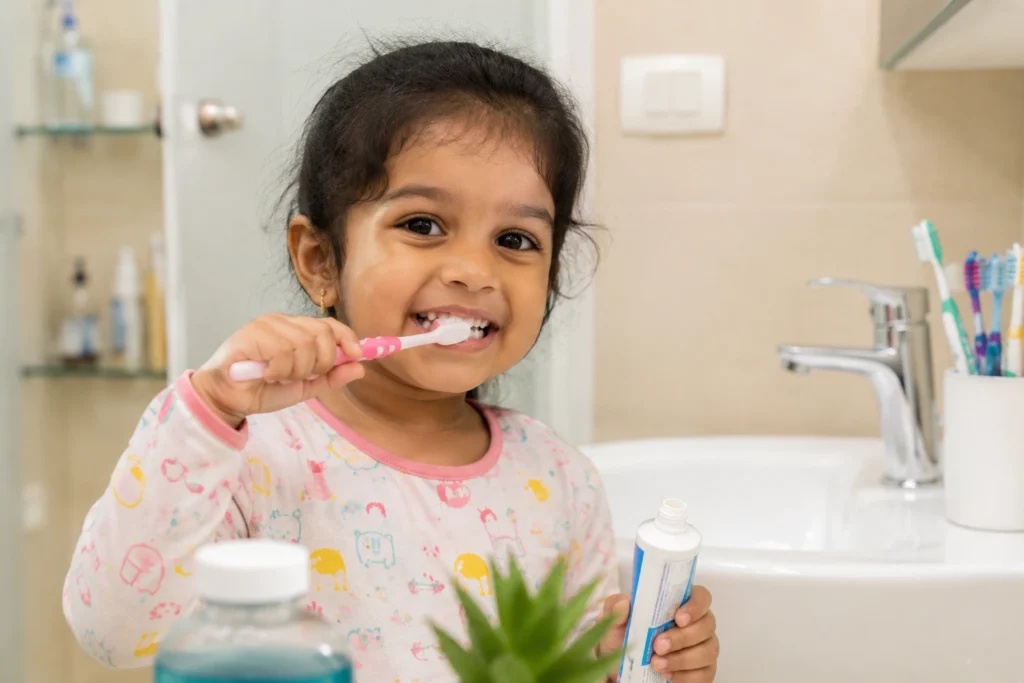
Brushing should begin the moment the first tooth appears. For children under 3, use a rice-grain-sized smear of fluoride toothpaste. For ages 3 to 6, a pea-sized amount is enough. Make sure an adult supervises or helps brush until the child is around 6–7 years old, since young kids don’t yet have the coordination to brush effectively on their own.
Consistency matters more than perfection. A short, calm brushing routine morning and night builds a habit that lasts a lifetime.
3. Rethink Bottles, Sippy Cups, and Bedtime Habits
Avoid putting your toddler to bed with a bottle of milk, juice, or any sweetened liquid. If a bedtime bottle is a must, fill it with plain water. Try to transition from bottles to open cups by their first birthday, and limit juice intake overall — water and milk should be the primary drinks throughout the day.
4. Watch the Sugar, Not Just the Sweets
It’s not just candy that causes cavities. Crackers, fruit snacks, dried fruit, and flavored yogurts can be just as harmful because they’re sticky and cling to teeth. Try to limit snacking frequency rather than eliminating treats entirely — it’s the frequency of sugar exposure, not just the amount, that drives decay.
5. Don’t Skip the First Dental Visit
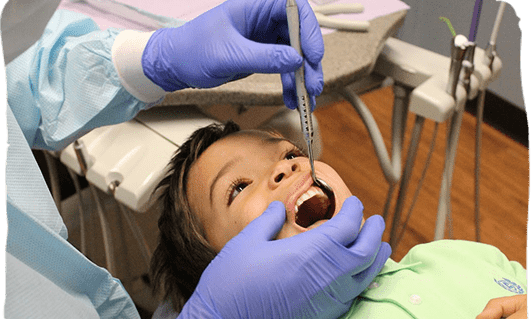
Most parents wait far too long for their child’s first dental visit. Pediatric dentists recommend scheduling a visit by the child’s first birthday or within six months of the first tooth appearing. Early visits let your dentist catch problems before they become painful, and help your child grow comfortable with the dental chair from an early age.
Under the guidance of experienced professionals like Dr. Prashant Gupta at Braces and Smiles MultiSpeciality Dental Clinic, early checkups are approached with patience and a child-friendly touch, making them far less intimidating for both toddlers and parents.
6. Consider Fluoride Treatments and Dental Sealants
Fluoride strengthens enamel and helps reverse early stages of decay, while dental sealants act as a protective coating on the chewing surfaces of molars, where cavities often start. Both are quick, painless treatments that can be discussed during a routine visit.
7. Make Dental Care Fun, Not Frightening
Kids respond well to routine and play. Let your toddler pick out their own toothbrush, use a timer or a fun song for brushing, and praise them after each session. Reading books about visiting the dentist or “practicing” on a stuffed animal can also ease anxiety before real appointments.
When to See a Dentist Right Away
Book an appointment sooner rather than later if you notice:
- White or brown spots on teeth
- Visible holes or pits
- Complaints of tooth pain or sensitivity
- Swelling around the gums
- Bad breath that doesn’t go away with brushing
Catching these signs early can mean the difference between a simple fluoride treatment and a more involved procedure.
Frequently Asked Questions
- At what age should my child first see a dentist?
Most dental experts recommend a first visit by age one, or within six months of the first tooth erupting.
- Are cavities in baby teeth really a big deal since they’ll fall out anyway?
Yes. Cavities can cause pain, infection, and even affect the position and health of permanent teeth growing underneath.
- Is fluoride toothpaste safe for toddlers?
Yes, in the correct amount. Use a rice-grain-sized smear for children under 3 and a pea-sized amount for children 3 and older, and teach them to spit rather than swallow.
- How can I stop my toddler from resisting brushing?
Make it playful — use a timer, a favorite song, or let them “help” brush a stuffed animal first. Consistency and patience go a long way.
- Can thumb-sucking or pacifier use cause cavities?
While these habits mainly affect bite alignment rather than cavities directly, prolonged pacifier use with sugary substances dipped on it can contribute to decay.
Protect Your Child’s Smile Today
Cavities in toddlers are common, but they don’t have to be inevitable. With consistent brushing, mindful snacking, and regular dental checkups, you can help your child build a lifetime of healthy habits and a confident smile.
If it’s time for your little one’s first checkup or you have concerns about their dental health, the team at Braces and Smiles MultiSpeciality Dental Clinic, led by Dr. Prashant Gupta, is here to help. As a trusted Dental Clinic in Kalyani Nagar Pune, we specialize in gentle, child-friendly dental care for toddlers and young children.
Whether you’re searching for a reliable Dentist in Kalyani Nagar Pune, a caring Pediatric Dentist near Kalyani Nagar, or simply the Best Pediatric Dentist in Pune for your child’s first visit, our clinic is committed to making every appointment comfortable and stress-free. We’re also a trusted name when families search for a Dentist in Kalyani nagar for routine and preventive care.
Book your child’s appointment today and take the first step toward a lifetime of healthy, cavity-free smiles!