That sudden, sharp jolt of pain when you sip something cold or bite into ice cream isn’t something you should just live with. Many people brush off tooth sensitivity as a minor annoyance, assuming it will go away on its own. But in reality, sensitivity is often your body’s early warning system, signaling that something deeper is going on beneath the surface of your teeth.
Left unaddressed, mild sensitivity can quietly progress into infections, cracked teeth, or the need for a root canal. In this guide, Dr. Prashant Gupta from Braces and Smiles MultiSpeciality Dental Clinic breaks down exactly what causes tooth sensitivity, the warning signs to watch for, and when it’s time to see a professional before the problem becomes serious.
What Exactly Is Tooth Sensitivity?
Tooth sensitivity, medically known as dentin hypersensitivity, occurs when the protective enamel on your teeth wears down or when gums recede, exposing the sensitive layer of dentin underneath. Dentin contains microscopic tubules that lead directly to the nerve of the tooth. When exposed to hot, cold, sweet, or acidic triggers, these tubules transmit sharp pain signals straight to the nerve — which is why even a sip of cold water can feel unbearable.
Sensitivity can affect one tooth, several teeth, or your entire mouth, and it can come and go depending on the underlying cause.
Common Causes Behind Tooth Sensitivity
Understanding why your teeth have become sensitive is the first step toward fixing the problem. Some of the most common causes include:
- Enamel erosion from acidic foods, aggressive brushing, or teeth grinding
- Gum recession that exposes the tooth root, often linked to gum disease or over-brushing
- Cavities that create openings straight to the dentin or nerve
- Cracked or chipped teeth that allow temperature and pressure to reach the nerve
- Teeth whitening treatments done without proper professional guidance
- Old or failing dental fillings that no longer seal the tooth properly
Each of these causes requires a different treatment approach, which is why self-diagnosing and using random sensitivity toothpaste isn’t always the right long-term solution.
Warning Signs You Should Never Ignore
Not all tooth sensitivity looks the same, and the pattern of your symptoms can actually help identify the underlying issue. Here are the key warning signs to pay attention to:
1. Sharp Pain with Hot or Cold Foods
If eating ice cream or drinking hot tea triggers a quick, sharp pain that fades within seconds, this is classic sensitivity linked to enamel wear or exposed dentin.
2. Lingering Pain After Temperature Exposure
Pain that lingers for several minutes after eating or drinking something hot or cold is more concerning. This often points to nerve involvement or a deeper cavity, and it shouldn’t be ignored.
3. Discomfort While Brushing or Flossing
If brushing your teeth causes a sudden zing of pain, particularly near the gumline, it likely indicates gum recession or enamel erosion in that specific area.
4. Pain When Biting Down
Sharp pain specifically when chewing or biting can indicate a cracked tooth, a loose filling, or even a deeper infection near the tooth root — this symptom often needs urgent evaluation.
5. Sensitivity to Sweet or Acidic Foods
If sugary or acidic foods cause discomfort, it may suggest early tooth decay, since bacteria interacting with exposed dentin produce this specific type of pain.
6. Spontaneous, Unprovoked Pain
Pain that occurs without any obvious trigger — while you’re just sitting and doing nothing — is one of the most serious warning signs and often indicates an infection that needs immediate attention.
Why You Shouldn’t Self-Treat and Wait It Out
It’s tempting to grab an over-the-counter sensitivity toothpaste and hope the problem resolves on its own. While these products can offer temporary relief by blocking the dentin tubules, they don’t address the root cause. If sensitivity is caused by a cavity, a cracked tooth, or gum disease, delaying professional treatment only gives the underlying problem more time to worsen. What could have been a simple filling can turn into a root canal, and a root canal that’s delayed further can eventually lead to tooth loss.
When to See a Dentist Immediately
You should book a dental appointment without delay if you experience any of the following: pain that lasts longer than a few seconds, swelling around a tooth or gum, visible cracks or chips, pain that wakes you up at night, or sensitivity that’s rapidly worsening over just a few days. These symptoms often indicate that the issue has progressed beyond simple enamel wear and needs professional intervention.
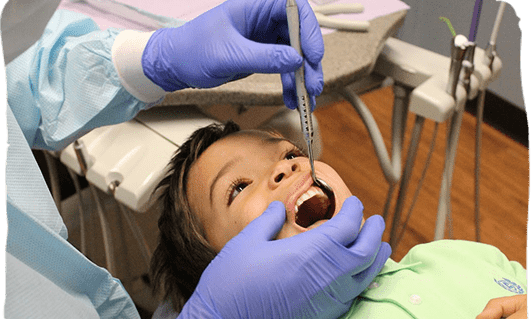
For residents dealing with persistent discomfort, seeking out an experienced Dentist in Pune ensures the underlying cause is accurately diagnosed using proper diagnostic tools, rather than relying on guesswork or generic home remedies that only mask the pain temporarily.
How Professional Treatment Helps
Depending on the cause, your dentist may recommend a range of treatments to address sensitivity permanently. Fluoride varnishes and desensitizing agents can strengthen enamel and block pain signals. Dental bonding can cover exposed root surfaces, while gum grafts can address more advanced gum recession. When cavities are the culprit, a simple filling often resolves the issue entirely. For deeper infections that have reached the nerve, an Affordable Root Canal Treatment in Kalyani Nagar provides a reliable, long-term solution that saves the natural tooth instead of requiring extraction.
Finding the Right Dental Clinic for Sensitivity Issues
Choosing the right clinic makes a significant difference in both diagnosis accuracy and treatment comfort. If you’re specifically looking for a Dental Clinic in Kalyani Nagar, prioritize a practice that uses modern diagnostic technology like digital X-rays to pinpoint the exact cause of sensitivity rather than treating symptoms alone.
Many patients in the area search for a Dentist in Kalyani Nagar Pune because they want a provider who offers a complete range of services — from routine cleanings to advanced restorative care — all under one roof, so their entire dental journey is handled consistently by professionals who know their history.
If sensitivity strikes unexpectedly and you’re searching for a Dental Clinic Near Me, having a trusted local clinic on hand means you can get evaluated quickly instead of enduring days of discomfort while trying to find an available appointment elsewhere.
For those comparing options more broadly across the city, a well-reviewed Dental Clinic in Pune with experienced specialists and transparent pricing tends to offer the most consistent, stress-free treatment experience for sensitivity-related concerns.
Preventing Tooth Sensitivity in the Future
Once your sensitivity is treated, a few simple habits can help prevent it from returning:
- Use a soft-bristled toothbrush and avoid aggressive brushing pressure
- Switch to a fluoride toothpaste designed for sensitive teeth
- Limit acidic foods and drinks like citrus fruits, soda, and wine
- Wear a night guard if you grind your teeth while sleeping
- Avoid whitening treatments without professional supervision
- Keep up with regular six-month dental check-ups
Frequently Asked Questions
Q1. Is tooth sensitivity always a sign of a serious problem?
Not always, but it should never be ignored. Mild sensitivity can stem from minor enamel wear, while persistent or worsening pain usually indicates a deeper issue that needs professional evaluation.
Q2. Can sensitivity toothpaste cure the problem permanently?
Sensitivity toothpaste can reduce discomfort temporarily by blocking pain signals, but it doesn’t fix the underlying cause, such as a cavity or gum recession.
Q3. How long does tooth sensitivity typically last after a filling?
Mild sensitivity after a filling is normal and usually resolves within a few days to two weeks. If it persists longer, you should consult your dentist.
Q4. Can gum disease cause tooth sensitivity?
Yes, gum disease often causes gum recession, which exposes the tooth root and leads to noticeable sensitivity, especially to cold temperatures.
Q5. Is a root canal painful?
With modern techniques and anesthesia, root canal treatment is generally no more uncomfortable than getting a regular filling, and it effectively relieves the pain caused by nerve infection.
Book Your Consultation Today
Don’t let tooth sensitivity control what you eat and drink. Early diagnosis makes treatment simpler, faster, and far more affordable in the long run. Dr. Prashant Gupta and the team at Braces and Smiles MultiSpeciality Dental Clinic are ready to help you identify the exact cause of your discomfort and get you back to enjoying your favorite foods pain-free.
Call us today or visit Braces and Smiles MultiSpeciality Dental Clinic in Kalyani Nagar to schedule your appointment. Your comfort shouldn’t wait — take the first step toward relief now.