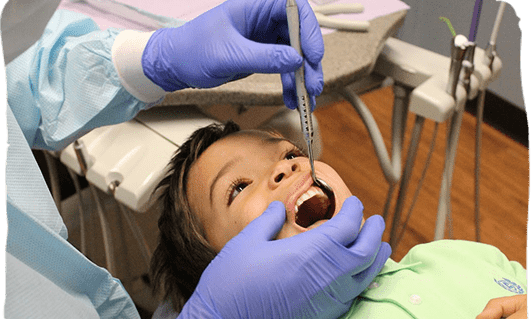
Does your child cry, refuse to sit in the dental chair, or throw tantrums at the mere mention of a dentist visit? You are not alone. Dental anxiety in children is one of the most common challenges parents face, and it can lead to avoided appointments, worsening oral health, and deeply rooted fear that carries into adulthood. The good news is that with the right approach, patience, and the guidance of a compassionate dental professional, your child can learn to feel safe and even comfortable at the dentist.
In this blog, we share practical, expert-backed strategies to help your child overcome dental fear and build a positive relationship with oral healthcare from an early age.
Why Do Children Fear the Dentist?
Before addressing the fear, it helps to understand where it comes from. Children may develop dental anxiety due to:
- Fear of the unknown — unfamiliar sights, sounds, and smells in a dental clinic
- Past painful or uncomfortable dental experiences
- Stories or exaggerated reactions from peers, siblings, or adults
- Feeling out of control in the dental chair
- Sensory sensitivities or anxiety disorders
- Parental anxiety that is unknowingly transferred to the child
Understanding the root cause helps parents and dentists work together to tailor the approach that best suits the individual child.
1. Start Early — Don’t Wait for a Problem
The best time to introduce your child to the dentist is before any problem arises. Dental associations recommend the first dental visit by the child’s first birthday or within six months of the first tooth appearing. Early visits help children become familiar with the environment, the dental chair, and the dentist — reducing the shock and fear that comes with a sudden visit during a painful emergency.
If you are looking for a Dentist in Kalyani Nagar Pune who specializes in children’s dentistry, choosing a clinic that is kid-friendly and experienced in handling young patients makes a huge difference.
2. Use Positive Language at Home
The words you use at home shape your child’s perception of dental visits before they even enter the clinic. Avoid phrases like “it won’t hurt” (which plants the idea of pain), “be brave” (which suggests something scary is coming), or sharing your own negative dental memories.
Instead, say things like:
- “The dentist keeps your teeth strong and healthy.”
- “We’re going to meet a doctor who counts your teeth!”
- “Lots of children go there — it’s totally normal and fun.”
Children absorb your emotional cues, so staying calm and positive sets the tone for a successful visit.
3. Role Play Dental Visits at Home
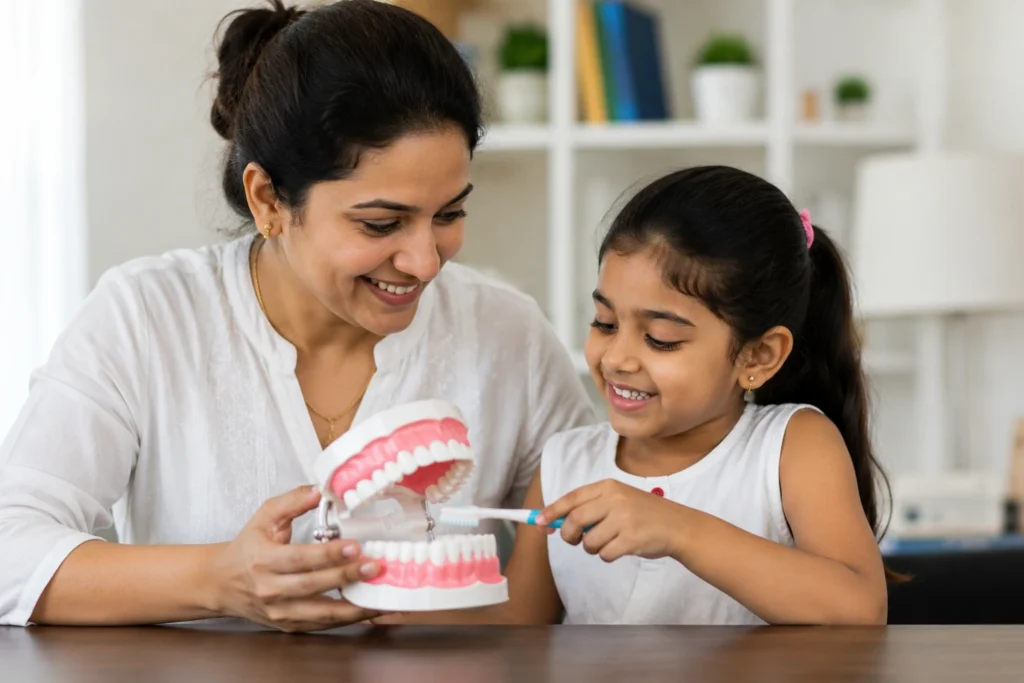
Pretend play is a powerful tool to familiarise children with what to expect. Set up a “dentist” game at home where you or your child takes turns being the dentist and the patient. Use a toothbrush to “count teeth,” open wide, and have fun with it. You can also:
- Read picture books about visiting the dentist
- Watch child-friendly videos about dental check-ups
- Use a stuffed animal or doll as a patient to demonstrate what happens
Familiarising the process in a low-pressure, playful setting removes the element of surprise and makes the real experience much less intimidating.
4. Choose the Right Pediatric Dentist
Not all dental clinics are equally equipped to handle anxious children. A specialized pediatric dentist undergoes additional training to communicate with, manage, and treat children in a way that reduces anxiety and builds trust. Their clinics are typically designed to be child-friendly — with colourful decor, toys, and a warm environment that feels less clinical and more welcoming.
If you are searching for a Pediatric Dentist near Kalyani Nagar, look for someone who uses the “tell-show-do” technique — explaining what they will do, demonstrating it, and then performing the procedure. This builds predictability and trust.
At Braces and Smiles MultiSpeciality Dental Clinic, Dr. Prashant Gupta and the team are specially trained to work with children of all temperaments, ensuring every young patient feels safe, respected, and heard throughout the procedure.
5. Schedule Morning Appointments
Timing matters more than parents often realise. Morning appointments work best for young children because they are well-rested, less hungry, and more cooperative earlier in the day. Avoid scheduling after school when the child is tired and already emotionally depleted. A well-timed appointment can make the entire experience smoother.
6. Stay Calm and Be Present
Your presence is a powerful comfort to your child. Ask the clinic whether you can accompany your child during the appointment — most pediatric dentists encourage this, especially for younger children or first visits. Hold their hand, offer reassuring words, and resist the urge to express frustration if your child is uncooperative.
However, be careful not to over-reassure. Saying “It’s okay, it won’t hurt” repeatedly can backfire. Instead, acknowledge their feelings: “I know you feel nervous. That’s okay. The dentist is going to take good care of you.”
7. Reward and Celebrate After the Visit
Positive reinforcement works wonders. After a successful dental visit, celebrate your child’s bravery with a small reward — a trip to the park, a sticker, extra screen time, or their favourite meal. Praise the specific behaviour:
- “You sat so still in the chair — that was amazing!”
- “You opened your mouth wide and let the doctor check your teeth. I’m so proud of you.”
- “You did it! The dentist said your teeth look great.”
Over time, positive associations replace the fear and your child begins to see dental visits as a normal, even rewarding, part of life.
8. Consider Sedation or Relaxation Techniques for Severe Anxiety
For children with extreme dental phobia or special needs, some clinics offer safe sedation options such as nitrous oxide (laughing gas) or oral sedation. These are well-regulated, safe, and highly effective for making anxious children comfortable during procedures.
If you are searching for the Best Pediatric Dentist in Pune who offers these options, it is worth asking about the clinic’s approach to dental anxiety management and whether they provide sedation dentistry for children.
9. Build a Routine Around Oral Health at Home
Children who brush and floss regularly at home are less anxious at the dentist because they are already comfortable with oral care routines. Make brushing a fun family activity — use a timer, play a two-minute song, or use toothbrushes with their favourite cartoon characters.
When oral care is woven into everyday life, the dental clinic feels like a natural extension of something familiar rather than an alien, frightening place.
10. Be Consistent With Dental Visits
One of the most effective ways to eliminate dental fear is repetition. Regular six-monthly check-ups mean your child visits the same dentist, sees the same faces, and experiences predictable, routine appointments. Over time, the unfamiliar becomes familiar, and anxiety naturally decreases.
Parents in the area often search for the Best Pediatric Dentist in Kalyani Nagar or the Best Pediatric Dentist in Viman Nagar — and rightly so. Choosing a conveniently located clinic ensures you don’t skip or postpone appointments, keeping the routine consistent and your child’s oral health on track.
When to Seek Professional Help for Dental Anxiety
If your child’s dental fear is severe enough to cause panic attacks, physical symptoms like nausea or vomiting before visits, or persistent refusal over a long period, it may be worth speaking to a child psychologist alongside your pediatric dentist. Cognitive behavioural therapy (CBT) and desensitisation techniques have proven effective in treating dental phobia in children.
Conclusion
Helping your child overcome fear of the dentist is not a one-day achievement — it is a gradual, consistent process built on trust, preparation, and positive experiences. As a parent, your attitude, words, and choices play an enormous role in shaping how your child relates to dental care for the rest of their life.
At the Dental Clinic in Kalyani Nagar — Braces and Smiles MultiSpeciality Dental Clinic — Dr. Prashant Gupta is committed to creating a warm, welcoming environment where every child feels safe and cared for. With a child-centred approach, gentle techniques, and a team that genuinely loves working with young patients, we make dental visits something your child can look forward to rather than dread.
Book your child’s appointment today and take the first step towards a lifetime of healthy, happy smiles.